Supported living
A home of your own, and the support to live there your way.
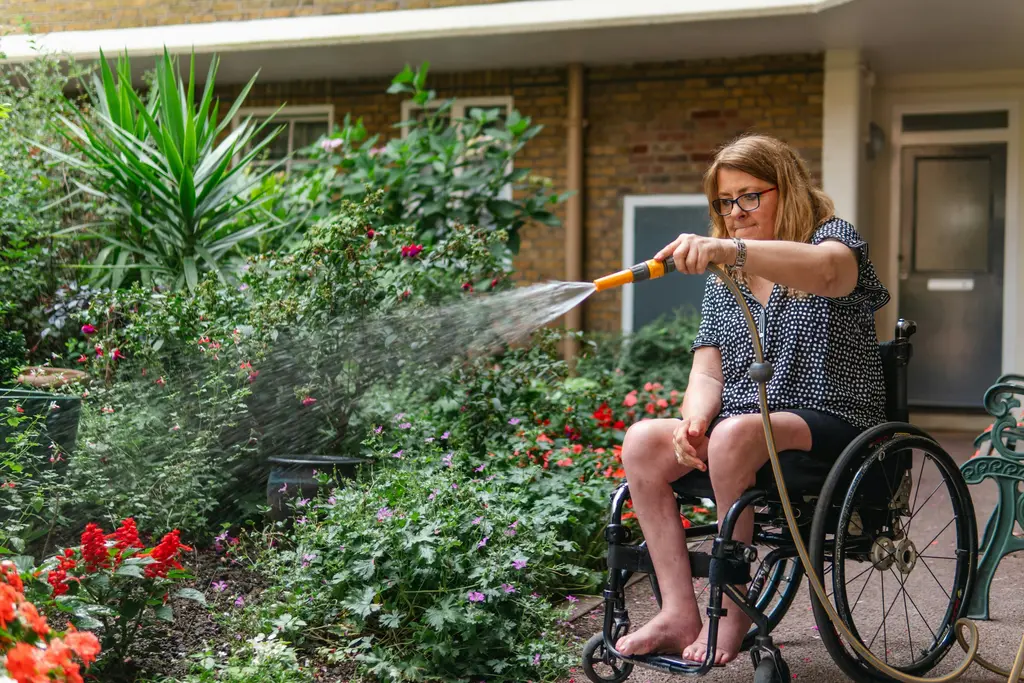
What supported living means
Your home.
Your tenancy.
Your choices.
In supported living, the home and the support are separate. People live in their own place, usually with their own tenancy and the rights that come with it, and choose the support they need to live there well.
That is what makes it different from residential care. Nobody moves into our service. We come into theirs, as invited guests, for the hours and the purposes agreed with them.
Support might be a few hours a week or around the clock. It might be shared with housemates for some things and entirely individual for others. It is planned with the person, and it changes as they do.
Who supported living may suit
Supported living works for adults with a wide range of needs. What matters most is that the person wants a home and a life of their own.
- Adults with a learning disability
- Autistic adults
- Adults with physical disabilities
- Adults with mental health support needs
- Young adults moving on from family homes or children’s services
- People moving from hospital or residential settings into a home of their own
How we work
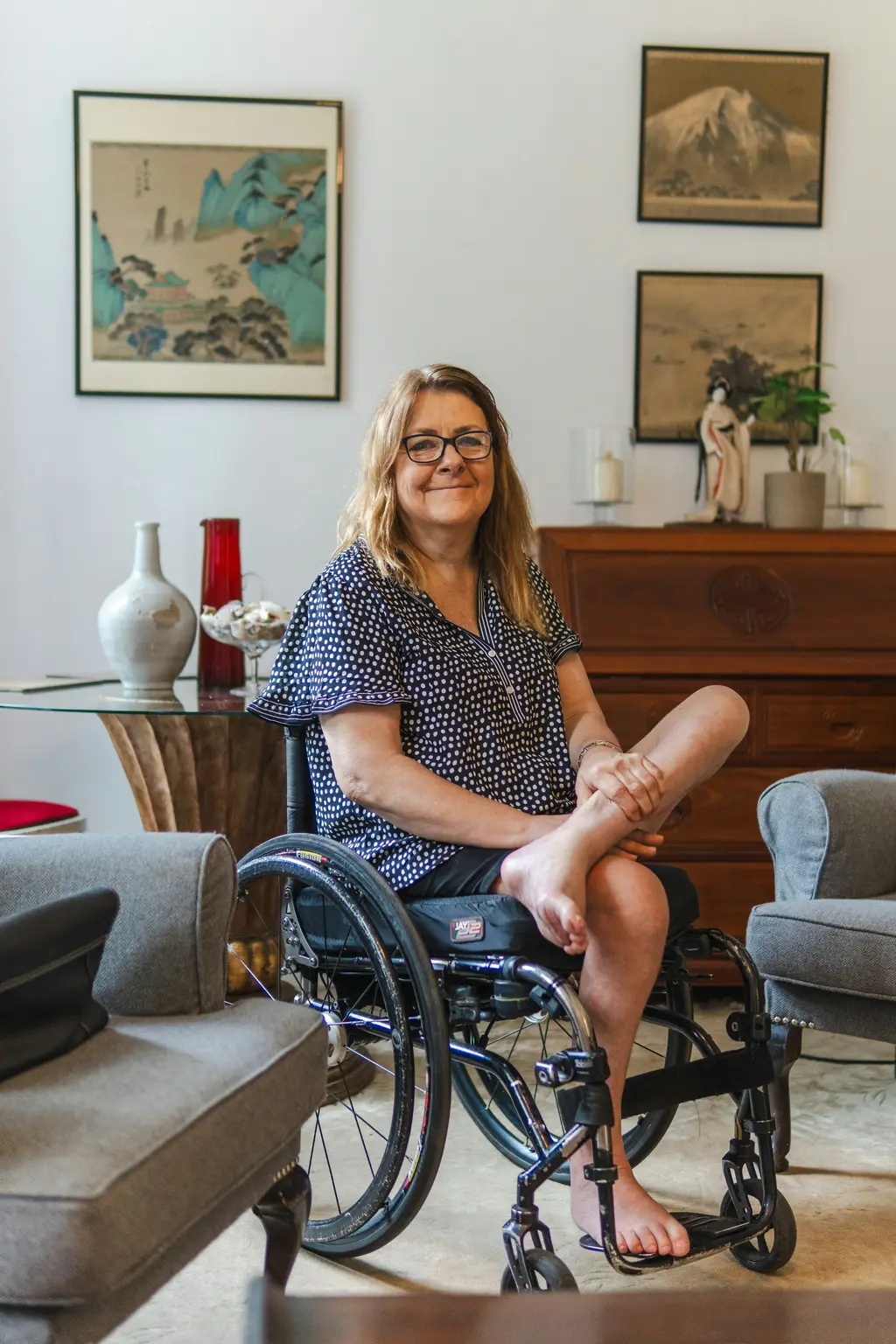
The person decides. We support.
Choice
People choose how they spend their days, who they live with where there is a choice, and who supports them. Support is planned with the person, not around them.
Control
The home is the person’s own, usually through their own tenancy. Support staff are guests in it, and act like it.
Growing independence
We look for the next step: a skill to learn, a bus route to travel alone, a responsibility to take back. Support can reduce as confidence grows.
Daily living
Support with the whole of everyday life.
Every plan is different. These are some of the areas people most often ask us to help with.
- 01Planning meals, shopping and cooking
- 02Managing money, bills and post
- 03Keeping the home, and dealing with the landlord
- 04Personal care, where it is needed
- 05Health appointments and medication
- 06Travel, work, study and volunteering
- 07Friendships, relationships and family contact
- 08Hobbies, faith and cultural life, as the person chooses


Community life
A life that reaches beyond the front door.
Independence is not only about managing at home. It is the corner shop that knows your name, the allotment, the Tuesday club, the job, the friends you see because you want to.
We help people find and keep those connections, travel with growing confidence, and take part in community life on their own terms, including faith and cultural life where that matters to them.
Individual goals
Goals belong to the person, written in their own words.
We help people set goals that mean something to them, break them into steps, and notice progress. The support plan is built around those goals, not the other way round.
The kind of goals people set
- “Get the bus to college on my own.”
- “Cook Sunday dinner for my brother.”
- “Choose my own furniture.”
- “Find a job with animals.”
- “Go to the match with friends.”
For social workers, commissioners and housing providers
We work alongside local authorities, health partners and landlords to plan transitions carefully, match staff to the people they support, and set up homes that fit. Referrals can be made directly, and we keep you informed from the first conversation onwards.
How to make a referralQuestions
Common questions about supported living.
How is supported living different from residential care?
In supported living, housing and support are separate. People live in their own home, usually with their own tenancy and rights as a tenant, and receive support to live the way they choose. In residential care, accommodation and care are provided together by the home.
Do you provide the accommodation?
Our role is the support. Housing is typically provided by a landlord or housing provider, and we work closely with them and with commissioners to make sure the home and the support fit the person.
How much support will someone receive?
It is based on the person’s assessed needs and goals. Some people need a few hours a week; others need support around the clock. We review it regularly so it stays right.
Who can make a referral?
Individuals and families can contact us directly, as can social workers, commissioners and other professionals. Our referrals page explains how.
Let’s talk about the home and the life you want.
Tell us a little about the support you are looking for. We will listen, answer your questions and explain what happens next, with no obligation.