Our approach
How we work, and how we hold ourselves to it.
Part one
The person
Person-centred care
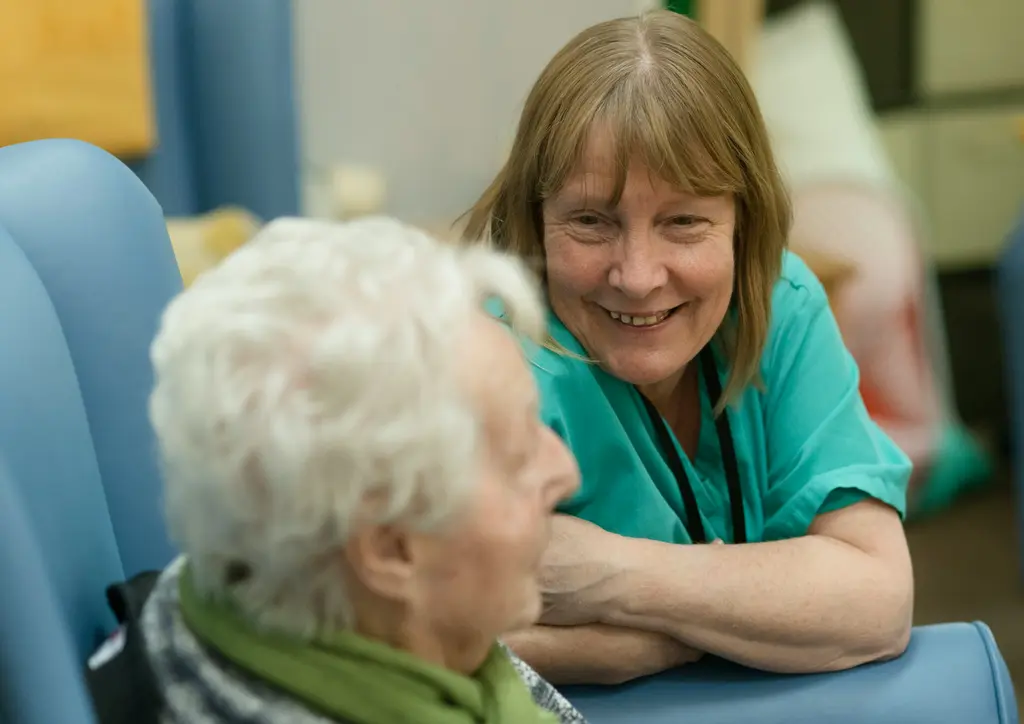
We plan support with people, not for them. Before we write anything down we find out what matters: routines, preferences, relationships, beliefs, the things that make a day feel like their own.
Care plans are written in plain language and belong to the person. They describe outcomes the person wants, not just tasks for staff to complete.
Dignity
Dignity is in the details: knocking before entering, closing the curtains, asking before helping, using the name someone prefers. We train for these things explicitly and check that they happen.
We respect people’s right to make their own decisions, including ones we might not make ourselves, and we support them to understand the choices in front of them.
Independence
We look for what someone can do, and protect it. Where there is a chance to regain a skill or confidence, we build it into the plan.
Positive risk-taking is part of this. We talk risks through openly and plan for them, rather than letting caution quietly shrink someone’s life.

Part two
The people who support them
Safeguarding
Everyone who works for Mater Spei is trained to recognise and report concerns, and knows exactly who to tell. We follow local multi-agency safeguarding procedures and work openly with local authorities when concerns arise.
Safe recruitment comes first: enhanced DBS checks, references and a proper induction before anyone supports people on their own.
Communication
We communicate in the way that works for each person, whether that is easy-read information, pictures, signing, a quieter conversation or more time.
Families and professionals hear from us when they need to, not only when they ask. When things go wrong, we say so, explain what happened and what we are doing about it.
Workforce competence
Good intentions are not enough; care is skilled work. Staff complete a structured induction, ongoing mandatory training and specialist learning matched to the people they support.
Competence is checked in practice through observation and supervision, not assumed from a certificate. Through the wider Custoris group we draw on dedicated expertise in professional learning.
Part three
How we know it is working
Quality assurance
We audit care records, medication, and the experience of the people we support on a regular cycle. Managers spend time in the service, not only reviewing it from a distance.
Our governance is supported by the operational systems used across the Custoris group, so that information about quality reaches the people who can act on it.
Continuous improvement
Feedback, complaints and incidents are treated as information, not threats. We look for patterns, learn from them, and tell people what changed as a result.
Working with families and professionals
Support works best when everyone around a person is pulling in the same direction. With consent, we share information, attend reviews, and coordinate with GPs, community nurses, therapists, social workers and housing providers.
Families are partners in care, as involved as the person wants them to be.
Questions about how we work? Ask us.
Families and professionals are welcome to ask about our policies, training and quality processes. We are happy to explain them in as much detail as you need.