Home care
Support at home, arranged around the way you live.

Who we support
For people who want to remain at home, well supported.
Some people need a little help to keep going as they are. Others need more, for a while or for the long term. Home care adapts to either.
- Older people who want to stay living at home
- Adults living with a long-term condition or disability
- People coming home from hospital who need support to settle
- People living with dementia, and those close to them
- Families who share caring and need reliable help alongside them
How we help
The practical things that make a day work.
Personal care
Help with washing, bathing, dressing and continence, given privately and at your pace, in the way you prefer.
Medication support
Reminders or assistance with medicines as agreed in your care plan, recorded carefully and reviewed regularly.
Meals and nutrition
Preparing meals you enjoy, helping you cook for yourself if you would like to, and keeping an eye on eating and drinking.
Daily routines
Getting up and going to bed when suits you, light household tasks, laundry, and keeping the home the way you like it.
Companionship
Time for conversation and the things you enjoy. Continuity matters here, so we aim for a small, familiar team.
Appointments and getting out
Support to attend appointments, go shopping, see friends or take part in activities in your community.
Planning your support
It starts with listening.

- 01
A conversation first
We start by listening: to you, and with your agreement to the people who know you well. What matters to you shapes everything that follows.
- 02
An assessment at home
We visit to understand your needs, your home and any risks, and to talk through what good support would look like for you.
- 03
Your care plan
Together we write a plan that sets out what support you want, when, and how. It is written in plain language and belongs to you.
- 04
Reviewed as life changes
Plans are reviewed regularly and whenever something changes. You can ask for a review at any time.
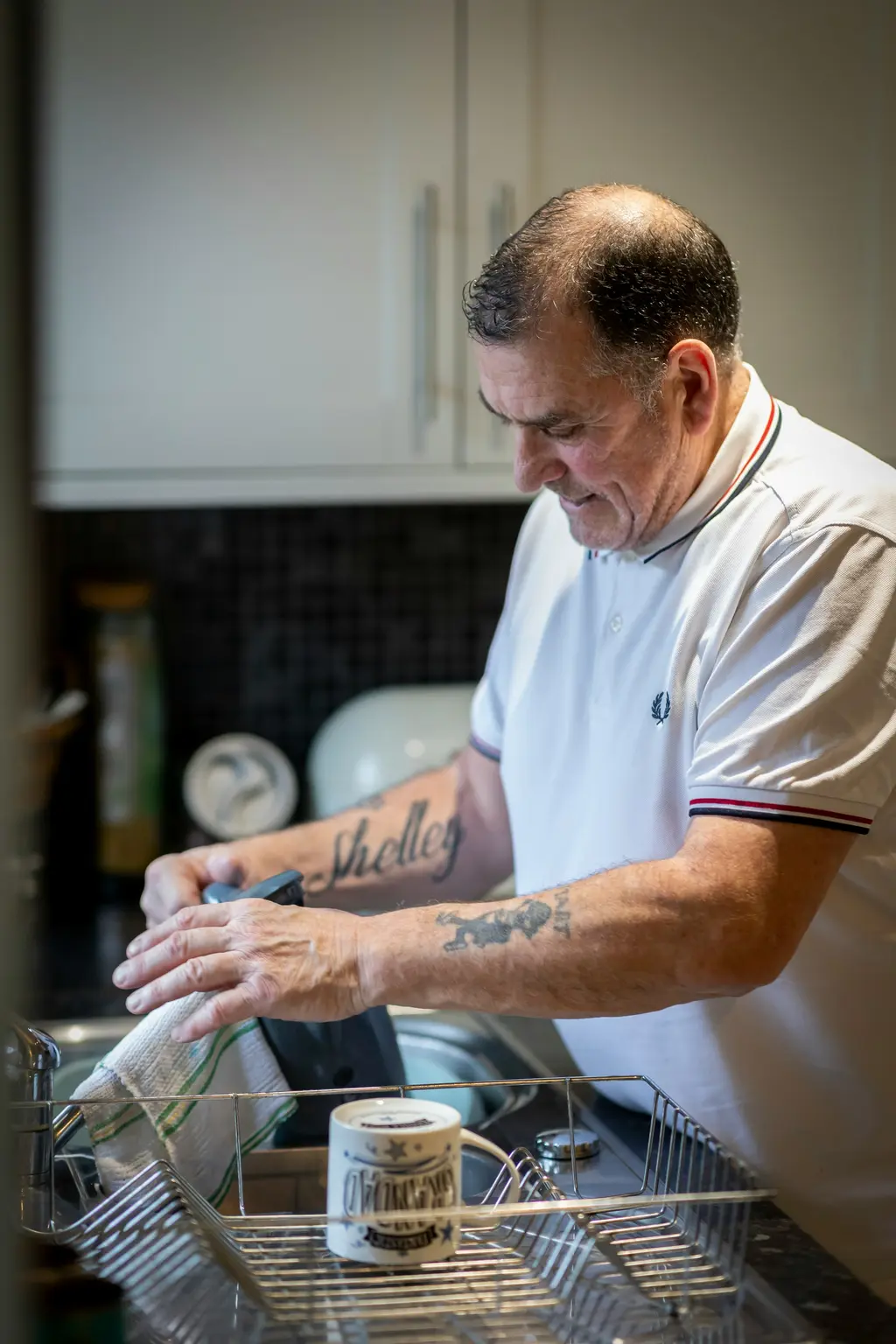
Independence
Doing things with you, not for you.
If you would rather wash up yourself while we dry, or make the tea while we set the table, that is how we will do it. Keeping everyday skills keeps confidence, and confidence is what keeps people at home.
We notice what someone can do as carefully as what they need help with, and we plan around both.
Working together
Families and professionals, kept in the picture.
Families often know the small things that make the biggest difference: how someone takes their tea, the radio station they wake up to, the subject best avoided before breakfast. With the person’s agreement, we ask, and we write it down.
We keep in touch with family members in the way that suits them, and work closely with GPs, district nurses, occupational therapists and social workers so that support at home joins up with everything else.
If something changes, whether a fall, a new medicine or a bad week, the people who need to know hear about it promptly.
Questions
Common questions about home care.
How soon can support start?
It depends on the support needed and our team capacity in your area. We will give you an honest answer in our first conversation, and we will not start until your care plan is agreed.
Will I see the same care workers?
We aim for a small, consistent team for each person, so that you know who is coming and they know you. We will tell you in advance if anything changes.
Can my family be involved?
Yes, as much or as little as you want. With your consent we keep family members informed and involve them in planning and reviews.
How is home care funded?
Some people arrange and pay for care privately; others receive funding from their local authority or the NHS, sometimes through a direct payment. We can explain the options and work with whoever commissions your care.
Tell us what would help at home.
Tell us a little about the support you are looking for. We will listen, answer your questions and explain what happens next, with no obligation.